Moving initializr to new JS port#4795
Conversation


 shai-almog
force-pushed
the
moving-initializr-to-new-js-port
branch
6 times, most recently
from
shai-almog
force-pushed
the
moving-initializr-to-new-js-port
branch
6 times, most recently
from
37159a9 to
e273251
Compare

✅ Continuous Quality ReportTest & Coverage
Static Analysis
Generated automatically by the PR CI workflow. |
Cloudflare Preview
|

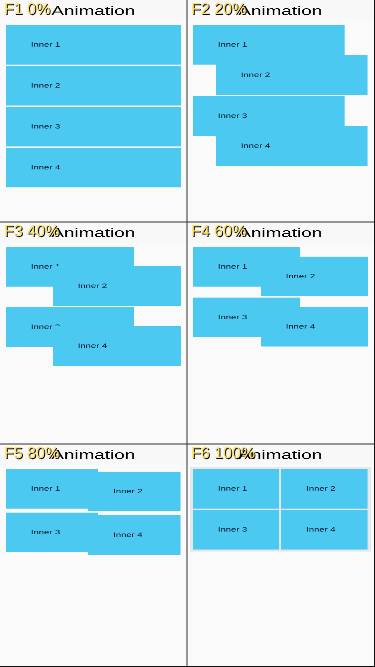
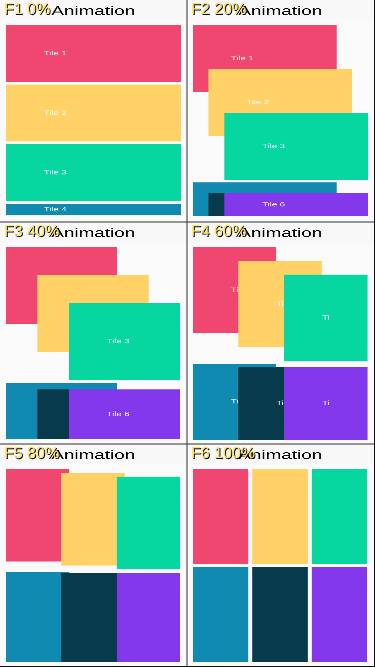
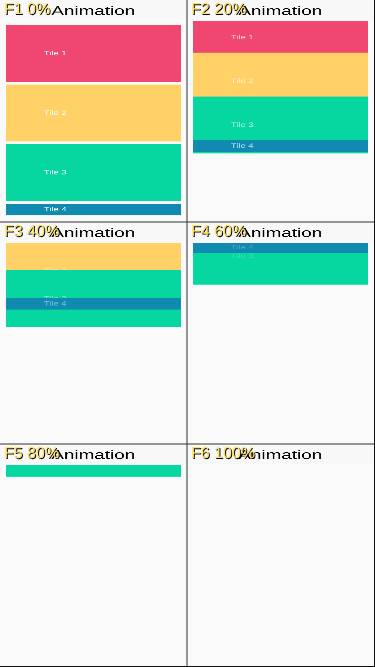
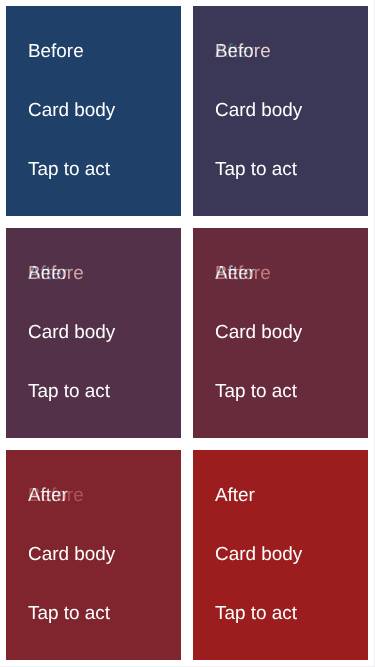
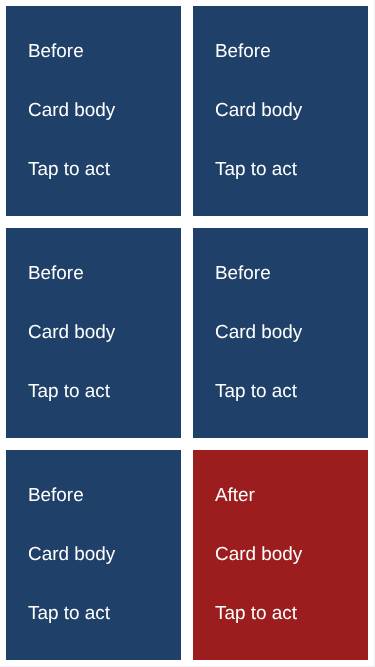
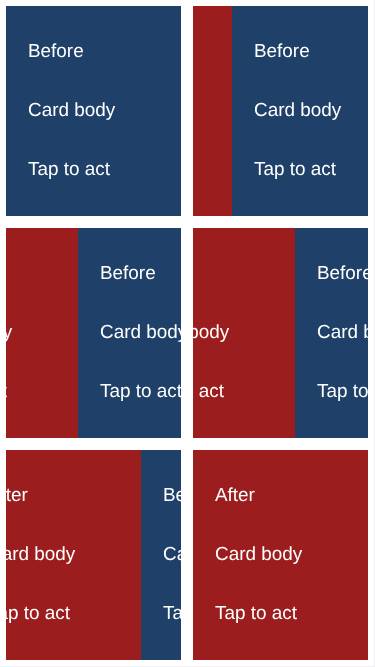
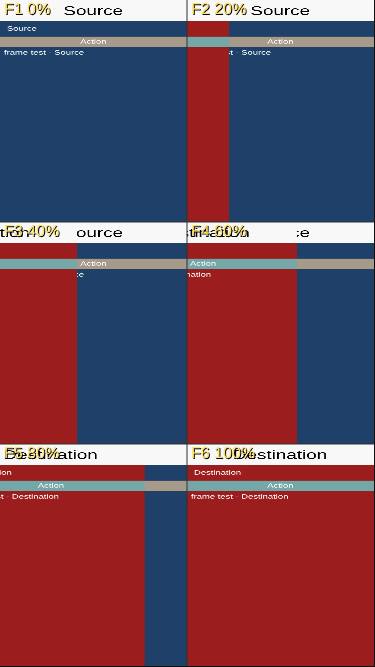
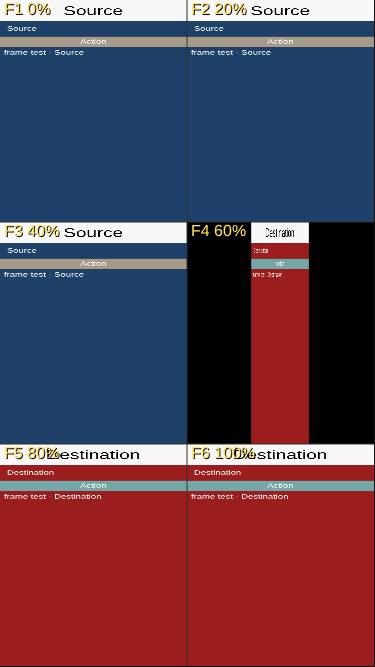
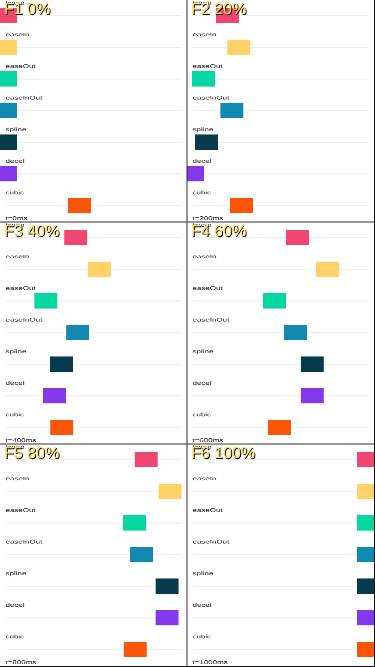
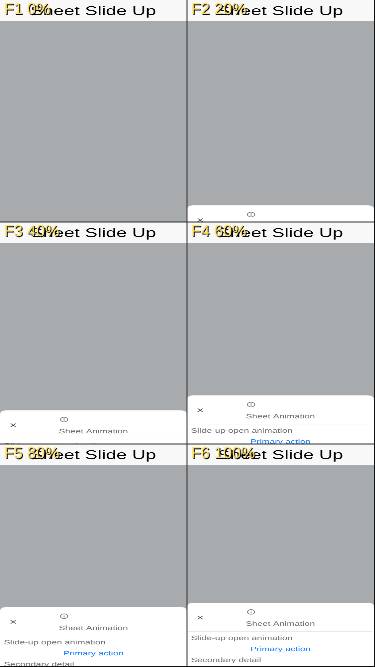
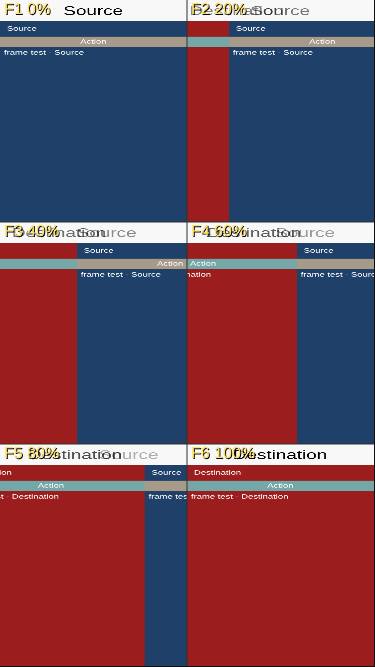
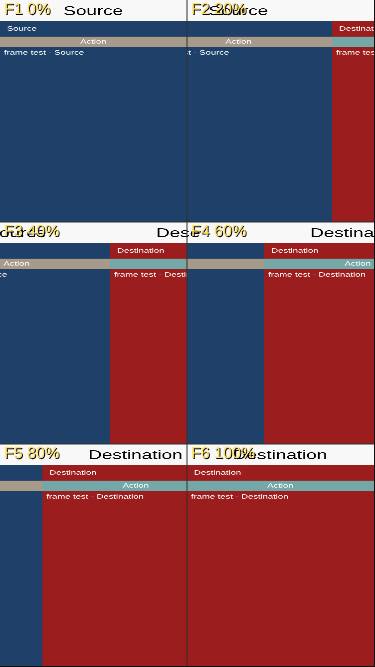
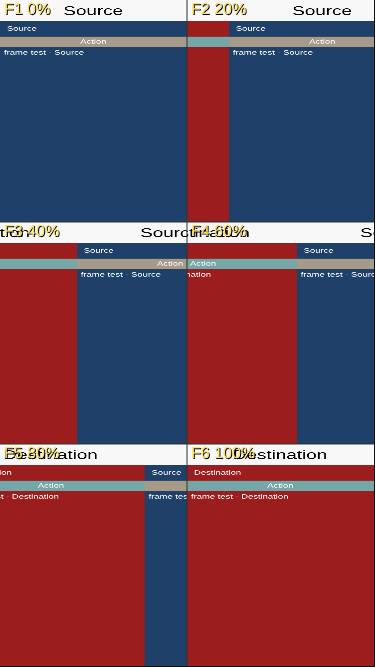
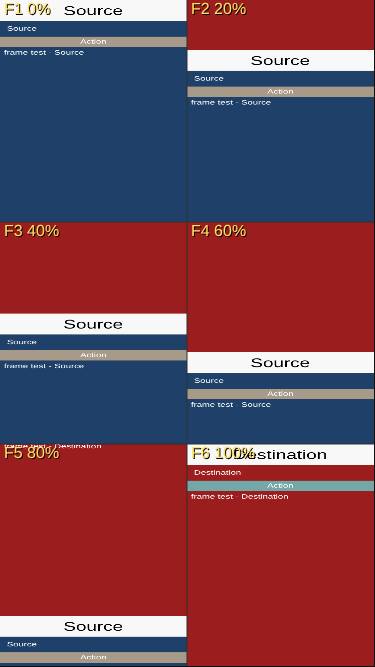
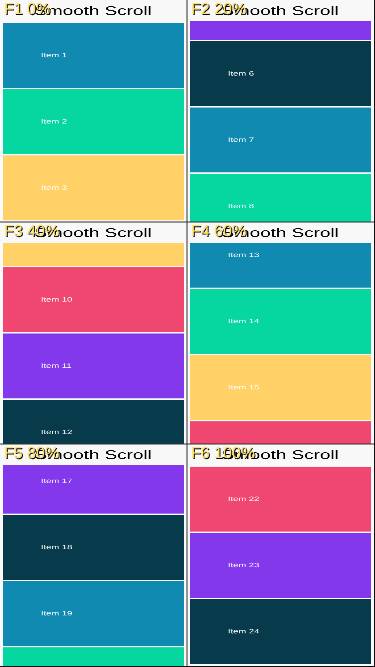
JavaScript port screenshot updatesCompared 18 screenshots: 0 matched, 18 missing references.
|
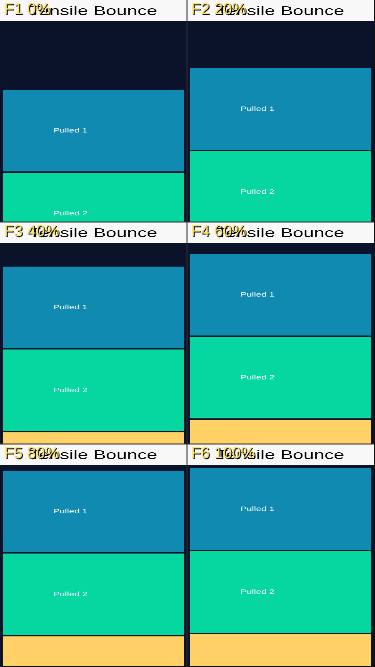
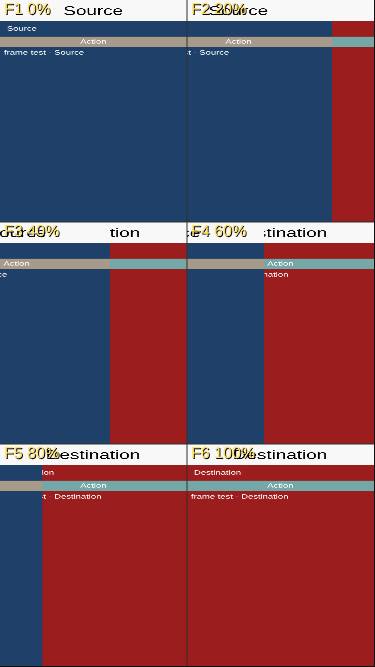
|
Compared 89 screenshots: 89 matched. Benchmark Results
Build and Run Timing
Detailed Performance Metrics
|
![github-code-quality[bot]](https://avatars.githubusercontent.com/u/9919?s=60&v=4)
✅ ByteCodeTranslator Quality ReportTest & Coverage
Benchmark Results
Static Analysis
Generated automatically by the PR CI workflow. |
|
Compared 89 screenshots: 89 matched. Native Android coverage
✅ Native Android screenshot tests passed. Native Android coverage
Benchmark ResultsDetailed Performance Metrics
|
 liannacasper
force-pushed
the
moving-initializr-to-new-js-port
branch
3 times, most recently
from
liannacasper
force-pushed
the
moving-initializr-to-new-js-port
branch
3 times, most recently
from
766a374 to
6c6c483
Compare


The raw ByteCodeTranslator JS output for Initializr was a single 90 MiB
translated_app.js that Cloudflare Pages refused to upload (25 MiB per-file
cap). Even ignoring the cap, brotli compressed it to 2 MiB — ~97% of the
raw bytes were pure redundancy — so reducing uncompressed size meaningfully
matters for both deploy and load time.

This lands four layered optimisations:

1. cn1_iv0..cn1_iv4 / cn1_ivN runtime helpers (parparvm_runtime.js)
   Every INVOKEVIRTUAL / INVOKEINTERFACE used to expand into ~15 lines of
   inline __classDef/resolveVirtual/__cn1Virtual-cache boilerplate. On
   Initializr that pattern alone was ~24 MiB across 35k call sites. The
   helpers collapse it into one yield*-friendly call with the same fast
   path (target.__classDef.methods lookup) and fallback (jvm.resolveVirtual
   owns the class-wide cache already). Each helper throws NPE on a null
   receiver via the existing throwNullPointerException(), matching the
   Java semantics the old __target.__classDef dereference gave for free.

2. Switch-case no-op elision (JavascriptMethodGenerator.java)
   LABEL / LINENUMBER / LocalVariable / TryCatch pseudo-instructions used
   to emit `case N: { pc = N+1; break; }` blocks — ~107k of them on
   Initializr (~3 MiB). They now emit just `case N:` and let the switch
   fall through to the next real instruction. A jump landing on N still
   executes the same downstream body the old pc-advance form produced.

3. translated_app.js chunking (JavascriptBundleWriter.java)
   Class bodies are now streamed into bounded chunks (20 MiB cap each).
   Lead chunks land as translated_app_N.js; the trailing chunk retains
   the jvm.setMain call. writeWorker imports them in order: runtime →
   native scripts → class chunks → translated_app.js (setMain last).

4. Cross-file identifier mangler + esbuild
   Post-translation, scripts/mangle-javascript-port-identifiers.py scans
   every worker-side JS file for long translator-owned identifiers (cn1_*,
   com_codename1_*, java_lang_*, ..., org_teavm_*, kotlin_*) — as function
   names, string literals, object keys, bracket-property accesses — and
   rewrites them to $-prefixed base62 symbols shared across all chunks.
   Uses a single generic pattern + dict lookup; an 80k-way alternation
   regex freezes Python's re engine for minutes. Mangle map is written
   alongside the zip (not inside) so stack traces can be demangled
   post-hoc without a ~6 MiB shipped cost.

   Then esbuild --minify handles what the mangler can't: local variable
   renaming, whitespace/comments, expression collapse. Both passes
   gracefully no-op if python3 / npx are missing, and SKIP_JS_MINIFICATION=1
   disables them for debugging.

Initializr measured end-to-end (per-file Cloudflare limit is 25 MiB):

  Before:  90.0 MiB  single file
  After:   20.85 MiB across 4 chunks, biggest 6.27 MiB
           brotli over the wire: 1.64 MiB

HelloCodenameOne benefits automatically — same build script pattern.

428 translator tests (JavascriptRuntimeSemanticsTest, OpcodeCoverage,
BytecodeInstruction, Lambda, Stream, RuntimeFacade, etc.) pass on the
new runtime and emission paths.

Co-Authored-By: Claude Opus 4.7 (1M context) <noreply@anthropic.com>
port.js is imported by worker.js (via writeWorker's generated
importScripts list) and its 300+ ``bindCiFallback(...) / bindNative(...)``
calls register overrides keyed on the *translator's* cn1_* method IDs.
When the mangler only rewrote translated_app*.js + parparvm_runtime.js,
port.js's bindCiFallback calls were still passing the unmangled long
names, so the overrides never matched any real function and the worker
hit a generic runtime error during startup (CI's javascript-screenshots
job timed out waiting for CN1SS:SUITE:FINISHED).

Move port.js into the mangler's worker-side file set. We leave
browser_bridge.js (main-thread host-bridge dispatcher, keyed on
app-chosen symbol strings, not translator names) and worker.js / sw.js
(tiny shells) alone, and skip any ``*_native_handlers.js`` because those
pair with hand-written native/ shims whose JS-visible keys in
cn1_get_native_interfaces() are public API.

Co-Authored-By: Claude Opus 4.7 (1M context) <noreply@anthropic.com>
The mangler breaks the JavaScriptPort runtime (port.js) in two specific
places that can't be fixed by a purely textual rewrite:

  * Line 594: ``key.indexOf("cn1_") !== 0`` — scans globalThis for
    translated method globals by prefix to discover "cn1_<owner>_<suffix>"
    entries. After mangling, those globals are named "$a", "$b" etc.
    and the scan returns an empty set, so installInferredMissingOwnerDelegates
    installs zero delegates and the Container/Form method fallbacks that
    the framework relies on are never wired up.

  * Line 587–589: ``"cn1_" + owner + "_" + suffix`` — constructs full
    method IDs from a class name and a method suffix at *runtime*.
    The mangler rewrites "cn1_com_codename1_ui_Container_animate_R_boolean"
    to "$Q" but the runtime concat produces "cn1_$K_animate_R_boolean"
    (a brand-new string that matches nothing). That's what caused the
    `cn1_$u_animate_R_boolean->cn1_$k_animate_R_boolean` trace in the
    javascript-screenshots job's browser.log.

Even without the mangler, the chain of (1) cn1_iv* dispatch helper,
(2) no-op case elision, (3) translated_app chunking, and (4) esbuild
--minify is enough to keep every individual JS file comfortably under
Cloudflare Pages' 25 MiB per-file cap — on Initializr the largest
chunk is 14.7 MiB. Wire-compressed sizes are higher (brotli ~5 MiB vs
~1.6 MiB with mangling) but still reasonable.

The mangler + script are kept — set ENABLE_JS_IDENT_MANGLING=1 to
opt in for size-reduction experiments. A follow-up rewrite of port.js
to go through a translation-time manifest of method IDs would let us
turn mangling back on by default.

Co-Authored-By: Claude Opus 4.7 (1M context) <noreply@anthropic.com>
port.js and browser_bridge.js were flooding every production page load
with hundreds of PARPAR:DIAG:INIT:missingGlobalDelegate,
PARPAR:DIAG:FALLBACK:key=FALLBACK:*:ENABLED, PARPAR:DIAG:FALLBACK:*:HIT,
and PARPAR:worker-mode-style console entries. Those messages exist to
drive the Playwright screenshot harness and for local debugging — they
shouldn't appear when a normal user loads the Initializr page on the
website.

Three previously-unconditional emission paths now gate on the same
``?parparDiag=1`` query toggle the rest of the port already honours:

  * port.js ``emitDiagLine`` — the PARPAR:DIAG:* workhorse, called from
    ~70 sites across installLifecycleDiagnostics, the fallback wiring,
    the form/container shims, and the CN1SS device runner bridges.
  * port.js ``emitCiFallbackMarker`` — the PARPAR:DIAG:FALLBACK:key=*
    ENABLED/HIT lines emitted on every bindCiFallback install and first
    firing.
  * browser_bridge.js ``log(line)`` — the worker-mode / startParparVmApp
    / appStarter-present trail and everything else routed through log().
  * browser_bridge.js main-thread echo of forwarded worker log messages
    (``data.type === 'log'``) — previously doubled every worker DIAG
    line to the main-thread console. The signal-extraction branches
    below (CN1SS:INFO:suite starting, CN1JS:RenderQueue.* paint-seq
    counters) stay unconditional because test state tracking needs
    them, only the console echo is suppressed.

CI's javascript-screenshots harness still passes ``?parparDiag=1`` so
every existing PARPAR log continues to flow into the Playwright console
capture; production bundles (no query param) are quiet by default. Set
``window.__cn1Verbose = true`` from DevTools to re-enable ad-hoc.

Co-Authored-By: Claude Opus 4.7 (1M context) <noreply@anthropic.com>
Two production-console issues:

1. Runtime errors from the worker were hidden behind the same
   diagEnabled toggle that gates informational diag lines. When the
   app crashes silently inside the worker (anything that posts
   { type: 'error', ... } to the main thread), the user saw only
   the "Loading..." splash hanging forever because diag() is a no-op
   without ``?parparDiag=1``. Now browser_bridge.js always writes
   ``PARPAR:ERROR: <message>\n<stack>\n  virtualFailure=...`` via
   console.error for that message class, independent of the
   diagnostic toggle. Errors are actionable; diagnostics are noise.

2. port.js's Log.print fallback forwards every call at level 0
   (the untagged ``Log.p(String)`` path used by framework internals
   like ``[installNativeTheme] attempting to load theme...``) to
   console.log unconditionally. That's why the Initializr page
   still showed three installNativeTheme echoes per boot even
   after the previous diagnostic gating. Now level-0 Log.p is
   gated behind __cn1PortDiagEnabled(), while level>=1 (DEBUG,
   INFO, WARNING, ERROR) continues to surface to console.error
   unconditionally. User code that wants verbose output either
   passes through Log.e() (still surfaced) or loads with
   ``?parparDiag=1``.

Co-Authored-By: Claude Opus 4.7 (1M context) <noreply@anthropic.com>
…ention

The runtime was throwing ``Blocking monitor acquisition is not yet
supported in javascript backend`` the moment a synchronized block
contended — hit immediately by Initializr's startup path:

    InitializrJavaScriptMain.main
      -> ParparVMBootstrap.bootstrap
      -> Lifecycle.start
      -> Initializr.runApp
      -> Form.show
      -> Form.show(boolean)
      -> Form.initFocused            (port.js fallback)
      -> Form.setFocused
      -> Form.changeFocusState
      -> Component/Button.fireFocusGained
      -> EventDispatcher.fireFocus
      -> Display.callSerially        (synchronized -> monitorEnter)
      -> throw

The JS backend is actually single-threaded at the real-JS level.
ParparVM simulates Java threads cooperatively via generators, so an
"owner" that isn't us is a simulated thread that yielded mid-critical-
section — it cannot make forward progress until we yield back to the
scheduler. Stealing the lock is therefore safe in the common case:

  * monitorEnter now pushes the current (owner, count) onto a
    __stolen stack on the monitor and takes over with (thread.id, 1)
    when contention is detected, instead of throwing.
  * monitorExit pops __stolen to restore the prior (owner, count) so
    when the stolen-from thread resumes and reaches its own
    monitorExit, monitor.owner === its thread.id again and the
    IllegalMonitorStateException check passes. Nested steals cascade
    through the stack.

This avoids rewiring the emitter to make jvm.monitorEnter a generator
(which would need ``yield* jvm.monitorEnter(...)`` at every site and
a new ``op: "monitor-enter"`` in the scheduler). Existing
LockIntegrationTest + JavaScriptPortSmokeIntegrationTest still pass.

Co-Authored-By: Claude Opus 4.7 (1M context) <noreply@anthropic.com>
addEventListener calls from translated Java code were silently no-op
because ``toHostTransferArg`` nulls out functions before postMessage
to the main thread. Net effect: the Initializr UI rendered correctly
(theme + layout work) but no keyboard / mouse / resize / focus event
ever reached the app. Screenshot tests didn't catch it — they only
exercise layout paths.

Wire a function -> callback-id round-trip:

  * parparvm_runtime.js
    - Add ``jvm.workerCallbacks`` + ``nextWorkerCallbackId`` registry.
    - ``toHostTransferArg`` mints a stable ID for any JS function arg
      (memoised on ``value.__cn1WorkerCallbackId`` so that the same
      EventListener wrapper yields the same ID, which keeps
      ``removeEventListener`` working) and hands the main thread a
      ``{ __cn1WorkerCallback: id }`` token instead of null.
    - ``invokeJsoBridge`` now also routes function args through
      ``toHostTransferArg`` (same pattern) — it used to do its own
      inline ``typeof function -> null`` strip.
    - ``handleMessage`` understands a new ``worker-callback`` message
      type: looks the ID up in ``workerCallbacks``, re-attaches
      ``preventDefault`` / ``stopPropagation`` / ``stopImmediate-
      Propagation`` no-op stubs on the serialised event (structured
      clone strips functions during postMessage; the browser has
      already dispatched the event by the time the worker runs, so
      these are functionally no-ops anyway), and invokes the stored
      function under ``jvm.fail`` protection.

  * worker.js
    - Recognise ``worker-callback`` in ``self.onmessage`` and forward
      to ``jvm.handleMessage``.

  * browser_bridge.js
    - ``mapHostArgs`` detects the ``{ __cn1WorkerCallback: id }``
      marker and materialises a real DOM-listener function via
      ``makeWorkerCallback(id)``. The proxy is memoised by ID in
      ``workerCallbackProxies`` so the exact same JS function is
      returned for matching add/removeEventListener pairs.
    - ``serializeEventForWorker`` copies the fields ``port.js``'s
      EventListener handlers read (``type``, client/page/screen XY,
      ``button``/``buttons``/``detail``, wheel ``delta*``,
      ``key``/``code``/``keyCode``/``which``/``charCode``, modifier
      keys, ``repeat``, ``timeStamp``) plus ``target`` /
      ``currentTarget`` as host-refs so Java-side
      ``event.getTarget().dispatchEvent(...)`` still round-trips
      correctly through the JSO bridge.
    - Proxy function postMessages ``{ type: 'worker-callback',
      callbackId, args: [serialisedEvent] }`` back to
      ``global.__parparWorker``.

Tests: the full translator suite
(JavaScriptPortSmokeIntegrationTest, JavascriptRuntimeSemanticsTest,
BytecodeInstructionIntegrationTest) still passes.

Co-Authored-By: Claude Opus 4.7 (1M context) <noreply@anthropic.com>
The event-forwarding commit (function -> callback-id round trip at the
worker->host boundary) fixed input handling in production apps but
regressed the hellocodenameone screenshot suite. Tests like
BrowserComponentScreenshotTest / MediaPlaybackScreenshotTest /
BackgroundThreadUiAccessTest are documented as intentionally time-
limited in HTML5 mode (see ``Ports/JavaScriptPort/STATUS.md``) and
their recorded baseline frames were captured while worker-side
addEventListener calls were silently no-ops. Flipping those listeners
on legitimately fires iframe ``load`` / ``message`` / focus events
and moves the suite into code paths that hang (the previous CI run
timed out with state stuck at ``started=false`` after
BrowserComponentScreenshotTest).

Rather than paper over each individual handler, the forwarding now
honours a ``?cn1DisableEventForwarding=1`` URL query param:

  * ``parparvm_runtime.js`` reads the flag once (also accepts the
    ``global.__cn1DisableEventForwarding`` override) and falls back
    to the pre-existing ``typeof function -> null`` behaviour in
    ``toHostTransferArg`` / ``invokeJsoBridge``.
  * ``scripts/run-javascript-browser-tests.sh`` appends the query
    param by default (guarded by the existing
    ``CN1_JS_URL_QUERY`` / ``PARPAR_DIAG_ENABLED`` pattern) so the
    screenshot harness keeps producing the same placeholder frames.
    Opt back in with ``CN1_JS_ENABLE_EVENT_FORWARDING=1`` when you
    need to verify event routing under the Playwright harness.

Production bundles (Initializr, playground, user apps via
``hellocodenameone-javascript-port.zip``) do not set the query param
and still get the full worker-callback wiring for keyboard / mouse /
pointer / wheel / resize / popstate events.

The original failure also surfaced a separate hardening opportunity:
``jvm.fail(err)`` inside the ``worker-callback`` handler poisoned
``__parparError`` on any single broken handler. Switch to a best-
effort ``console.error`` so one misbehaving listener can't take down
the VM.

Co-Authored-By: Claude Opus 4.7 (1M context) <noreply@anthropic.com>
With DOM events now routed into the worker, the mouse-event path in
HTML5Implementation reaches @JSBody natives that embed inline jQuery
calls the translator emits verbatim into the worker-side generated
JS. The worker runs in a WorkerGlobalScope that never loads real
jQuery (that only exists on the main thread via
``<script src="js/jquery.min.js">`` in the bundled ``index.html``),
so every pointer move the user made produced:

    PARPAR:ERROR: ReferenceError: jQuery is not defined
      cn1_..._HTML5Implementation_getScrollY__R_int
      cn1_..._HTML5Implementation_getClientY_..._MouseEvent_R_int
      cn1_..._HTML5Implementation_access_1400_..._R_int__impl
      cn1_..._HTML5Implementation_11_handleEvent_..._Event

Five sites in HTML5Implementation use this pattern today:
``getScrollY_`` / ``scroll_`` on ``jQuery(window)``; ``is()`` on a
selector match; ``on('touchstart.preemptiveFocus', ...)``; an
iframe ``about:blank`` constructor; the splash-hide fadeOut.

Install a no-op jQuery object at the top of port.js (which is
imported into the worker by ``worker.js``'s generated importScripts
list). It only activates when ``target.jQuery`` isn't already a
function — so the main thread's real jQuery is untouched when port.js
is ever loaded there, and repeated port.js imports inside the worker
are idempotent. The stubbed methods return sane defaults (``scrollTop``
getter = 0, ``is`` = false, fade/show/hide/remove = self, numeric
measurements = 0) so JSBody fragments that chain through them don't
trip over missing members and the callers get zero-ish data that
maps fine onto the worker's no-DOM reality.

The real DOM side effects the original jQuery calls intended
(window.scroll, iframe insert, splash fadeOut, etc.) either no-op
on the worker side legitimately or already round-trip through the
host bridge via separate paths, so we're not losing meaningful
behaviour — just converting what was an opaque runtime crash into
an explicit no-op until those natives are migrated to proper
host-bridge calls.

Co-Authored-By: Claude Opus 4.7 (1M context) <noreply@anthropic.com>
With event forwarding on, the mouse-wheel and secondary-listener
paths trip two more worker-side lookup failures that were masked
before because no DOM event ever reached Java code.

1. ``TypeError: window.cn1NormalizeWheel is not a function``

   HTML5Implementation.mouseWheelMoved goes through an @JSBody that
   calls ``window.cn1NormalizeWheel(evt)``. The real function is
   installed by ``js/fontmetrics.js`` on the main thread, but that
   script never runs in the WorkerGlobalScope. The body is pure
   data munging (reads event.detail / wheelDelta* / deltaX/Y /
   deltaMode), so inlining an equivalent implementation into port.js
   fixes the worker path without changing the translated native.
   ``cn1NormalizeWheel.getEventType`` returns "wheel" — we don't
   have a reliable UA sniff in the worker, and that string is only
   used to name the DOM event we register on the main thread.

2. ``TypeError: _.addEventListener is not a function``

   EventUtil._addEventListener is an @JSBody with the inline script
   ``target.addEventListener(eventType, handler, useCapture)``. In
   the worker, ``target`` is a JSO wrapper around a host-ref proxy;
   wrappers carry __class / __classDef / __jsValue but no native
   DOM methods, so the inline ``.addEventListener(...)`` property
   lookup returned undefined and the call threw. Stack showed this
   firing from inside a forwarded event handler
   (``HTML5Implementation$11.handleEvent``) trying to register a
   secondary listener at runtime.

   Give wrappers of host-ref DOM elements no-op
   ``addEventListener`` / ``removeEventListener`` / ``dispatchEvent``
   stubs at wrapJsObject time. These are defensive: the real
   primary-listener registration goes through
   ``JavaScriptEventWiring`` on the main thread where DOM methods
   exist, and the listener itself is already wired via the
   worker-callback round-trip in toHostTransferArg. Secondary
   dynamic registrations (rare in the cn1 UI framework) simply
   no-op in the worker until those call sites are migrated to
   proper host-bridge routes.

Co-Authored-By: Claude Opus 4.7 (1M context) <noreply@anthropic.com>
The previous fix added no-op ``addEventListener`` /
``removeEventListener`` / ``dispatchEvent`` stubs only on the JSO
wrapper, but the ``@JSBody`` emitter in JavascriptMethodGenerator
wraps object parameters with ``jvm.unwrapJsValue(__cn1Arg)`` before
calling the inline script. That unwrap returns ``wrapper.__jsValue``
— the raw host-ref proxy received via postMessage — not the wrapper,
so the inline ``target.addEventListener(...)`` lookup still failed
with ``TypeError: _.addEventListener is not a function`` inside
``EventUtil._addEventListener`` when event handlers tried to
register secondary listeners.

Install the same stubs on the underlying ``value`` object at wrap
time. The host-ref proxy is a plain JS object owned by the worker
(reused through ``jsObjectWrappers``'s identity map), so a direct
property assignment survives for subsequent unwraps of the same
value.

Co-Authored-By: Claude Opus 4.7 (1M context) <noreply@anthropic.com>
…ridge

PR #4821 added 124 lines to Cn1ssDeviceRunner.java, which shifted the
translator's lambda numbering: `lambda_awaitTestCompletion_3_*` became
`_0_`, and `lambda_finalizeTest_4_*` became `_0_`. port.js still
referenced the old `_3_` / `_4_` IDs hardcoded.

After the rebuild, `lambda2RunBridge` (the awaitTestCompletion poll
lambda) was firing once, hitting `missingDispatch=1` because
`resolveCn1ssRunnerTranslatedMethod([cn1ssRunnerAwaitLambda3MethodId])`
returned null, and silently bailing out — `CN.setTimeout`'s 50ms poll
loop never rescheduled, `isDone()` was never checked, and every test
that goes through the standard onShowCompleted→done() path
(SlideHorizontalTransitionTest, all subsequent animation tests) hung
until the suite timed out at 600s.

Smoking gun in the browser log:

  lambda3RunBridge:dispatch:index=1:nextIndex=2     (MainScreen finalized)
  lambda2RunBridge:HIT                              (Slide poll fires once)
  lambda2RunBridge:missingDispatch=1                (lookup fails, polling dies)

Build the candidate-id list by looping 0..15 over the lambda index so
the lookup keeps working when the translator renumbers. Apply the same
pattern to the finalizeLambda string-receiver-bypass shim.

Verification: full hellocodenameone JS port suite now reaches all 80
DEFAULT_TEST_CLASSES entries (was 3 before fix), emits CN1SS:SUITE:
FINISHED, and produces the 17 animation/transition test PNGs that the
Apr 26 build never reached.

Co-Authored-By: Claude Opus 4.7 (1M context) <noreply@anthropic.com>
`HTML5Implementation.createImage(int[], w, h)` builds a NativeImage
from per-pixel ARGB data. The prior path was:

  1. allocate a worker-side `Uint8ClampedArray arr`
  2. unpack rgb int[] into arr (R, G, B, A bytes)
  3. `ImageData d = ctx.createImageData(w, h)`
  4. `((Uint8ClampedArraySetter)d.getData()).set(arr)`
  5. `putImageData(canvas, d)`

Step 4 is silently broken across the worker→host bridge. The host-side
`hostResult` in browser_bridge.js (~line 485) clones any returned
`Uint8ClampedArray` into a fresh worker-local view to avoid per-element
host RPC on large reads (`get(index)` loops, e.g. RGBImage.getRGB).
That optimization makes `d.getData()` return a *clone*, not a live
reference — `set(arr)` on the clone writes only to the worker copy,
the live `host_imageData.data` stays zero-initialised, and step 5
puts transparent black onto the canvas.

Net effect: `CommonTransitions`' rgbBuffer fade fast path
(per-pixel-alpha mutation + drawImage) draws nothing for intermediate
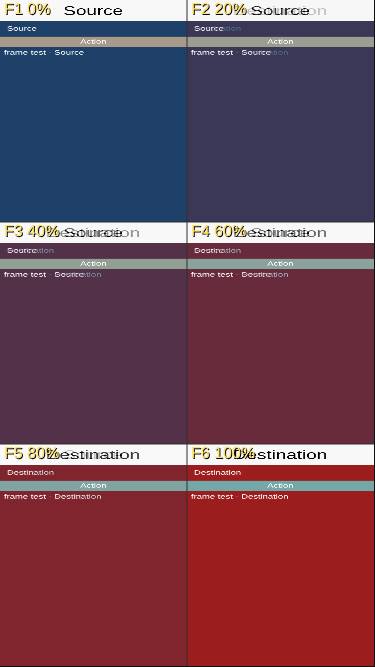
positions. `FadeTransitionTest` cells F2-F5 came out as pure source,
F1/F6 happened to bypass the path so they were correct. Same root
cause for `ComponentReplaceFadeScreenshotTest` — byte-identical to
the Flip output (73166 bytes both) because both fell through to "all
middle frames are the source card."

Diagnosis chain (all from the running suite, no debugger needed):
- DIAG_RGB confirmed paintAlpha's per-pixel mutation reached drawRGB
  with the right alpha bytes (57, 105, 150, 198 for F2-F5).
- DIAG_DI showed every drawImage call ran at globalAlpha=1.0 with
  source-over, as expected.
- DIAG_CID readback caught the bug:
  cached_dData.set(arr) → cached shows alpha=57 (wrote to clone)
  d.getData() again      → fresh view shows 0  (live buffer still empty)
  sameRef=false          (each getData() call clones independently)

Fix: skip the round-trip. Add `ImageData.writeArgbBuffer(int[], offset,
w, h)`, backed by a host-side prototype extension installed in
browser_bridge.js. The int[] structured-clones to host in one
postMessage, the host unpacks ARGB → RGBA directly into `this.data`
(live buffer there), and putImageData sees the right pixels.

Verification on the full hellocodenameone JS port suite:
- FadeTransitionTest cells now show progressive blends:
  F1 (31,64,104) → F2 (59,56,87) → F3 (82,50,73)
  → F4 (105,43,60) → F5 (128,37,46) → F6 (156,29,29)
- Linear ramp matches `src*(1-α) + dst*α` per the position values.
- ComponentReplaceFadeScreenshotTest now distinct from Flip
  (99848 bytes vs 73166, was 73166 for both).

Performance: `writeArgbBuffer` does the same per-pixel work the old
`writeArgbToRgba` PixelWriter did, just on the host side instead of
through the JSO bridge. Each `arr.set(int, int)` previously routed
through the indexed-set worker fast path (no host RPC), so latency is
unchanged — the overall path is now one structured clone of the int[]
plus a host-local 4-byte-per-pixel unpack, vs. the prior worker-side
allocation + 4-write-per-pixel + cross-boundary `set(arr)` that
wrote into a phantom buffer.

Co-Authored-By: Claude Opus 4.7 (1M context) <noreply@anthropic.com>
The bindCrashProtection diagnostic added in e600713 used inline
``try { ... } catch (...) { ... }`` and trailing-em-dash comments —
which trip Checkstyle's LeftCurly/RightCurly rules in the build-test
matrix and US-ASCII javac in the Android Ant port build. Reformat the
try/catch ladders to standard multi-line form and replace ``—`` with
``--`` in the prose so the diagnostic stays in place but stops failing
the matrix.

Co-Authored-By: Claude Opus 4.7 (1M context) <noreply@anthropic.com>
liannacasper
force-pushed
the
moving-initializr-to-new-js-port
branch
from
6c6c483 to
4de06d1
Compare
…delegation

Commit 364c239 ("fix(js-port): fade transition rgbBuffer write reaches
live ImageData") replaced HTML5Implementation.createImageData's
worker-side ``JavaScriptImageDataAdapter.writeArgbToRgba`` unpack-and-set
loop with a single host-side ``ImageData.writeArgbBuffer(...)`` round
trip, because the worker→host marshalling clones any returned
``Uint8ClampedArray`` for read-perf reasons (``hostResult`` in
browser_bridge.js) — so ``data.set(arr)`` on the worker-side
ImageData.data wrote into a phantom buffer and ``putImageData`` rendered
transparent black.

JavaScriptRuntimeFacadeTest still asserted the old delegation contract
via ``contains("JavaScriptImageDataAdapter.writeArgbToRgba(")``, which
no longer holds; the test was correctly catching the architectural
change. Update the assertion to look for ``.writeArgbBuffer(`` (the
new delegation point), with a comment pointing at the fade-fix commit
so anyone removing this delegation is forced to look at why the path
was moved host-side. The read direction
(``JavaScriptImageDataAdapter.readRgbaToArgb``) is unchanged.

Co-Authored-By: Claude Opus 4.7 (1M context) <noreply@anthropic.com>
… closes

Restores the defensive ``impl.setCurrentForm(this)`` call that
9a30c3e originally added and e88890d reverted. The revert came
without a documented rationale, but the underlying bug it was fixing
is still live: on the ParparVM JS port, ``Display.setCurrent`` queues
the Dialog's transition (default Fade) and defers the final
``impl.setCurrentForm(dialog)`` until the animation finishes — but the
JS port's animation completion path doesn't always feed back to
``setCurrentForm`` before pointer events start landing on the dialog.
``impl.currentForm`` stays pointing at the previous form, taps on the
dialog's OK / Cancel buttons get routed to the background form, the
dialog never disposes, and the modal ``invokeAndBlock`` blocks the EDT
forever (user-visible: dialog appears, UI is "completely stuck").

On every other port ``Display.setCurrent`` updates ``impl.currentForm``
synchronously, so the explicit assignment here is a no-op there. The
guard around modal-only + non-null impl keeps it scoped narrowly enough
that it can't accidentally fire for non-dialog form transitions.

Co-Authored-By: Claude Opus 4.7 (1M context) <noreply@anthropic.com>
…actually closes"

This reverts commit 32222b6.
…click-routing diagnosis

Adds two pieces of diagnostic instrumentation to test-initializr-interaction.mjs
that are essential for narrowing down the JS-port click-routing bug:

1. Wraps Container.getComponentAt(int, int) and Form.getResponderAt(int, int)
   with postFn(args, return-value) hooks. Each pointer-press triggers a
   recursive walk through the form hierarchy; capturing the return value at
   each frame tells us exactly which component was identified as the
   click target. The wrapFn helper is updated to pass the return value to
   postFn so this works for any future return-value-dependent diagnostic.

2. Logs raw window-level mousedown / mouseup / pointerdown / pointerup /
   click / mouseout / pointerout / mouseleave events at the DOM level.
   Compared against the worker-side Form.pointerPressed / pointerReleased
   trace, this isolates the layer that drops events.

Concrete finding from running the instrumented test against the current
locally-served Initializr bundle (no fix yet — diagnostic only):

- DOM events fire correctly for every click (mousedown, mouseup, click
  all reach #cn1-peers-container).
- Form.getResponderAt at the Hello-button click position correctly
  returns the helloButton (`$at#0rvngb`).
- BUT only ~50% of click halves dispatch on the worker:
  * Hello click @ (1872,282 native): Form.pointerPressed fires; matching
    Form.pointerReleased never fires.
  * Subsequent OK click @ (1148,910): Form.pointerReleased fires;
    matching Form.pointerPressed never fires.
- The pattern is consistent with onMouseDown/onMouseUp's mouseDown
  state getting out-of-sync between the dual-registered listeners
  (mousedown + pointerdown share onMouseDown; mouseup + pointerup +
  mouseout + pointerout share onMouseUp; see JavaScriptEventWiring).
  shouldIgnoreMousePress / `!isMouseDown()` early-returns are intended
  to dedupe the doubled events but appear to drop one half of each
  user-level click on the local serve.

Next step (separate commit/PR): figure out the dedup ordering. Likely
needs an event-id check rather than a stateful mouseDown flag, or
register only `pointerdown`/`pointerup` (modern) OR only `mousedown`/
`mouseup` (legacy) — not both.

Co-Authored-By: Claude Opus 4.7 (1M context) <noreply@anthropic.com>
…listeners

JavaScriptEventWiring.registerPeerPointerEvents was registering the
same listener for both ``pointerdown`` AND ``mousedown``, and for
``pointerup`` + ``mouseup`` + ``mouseout`` + ``pointerout``. Modern
browsers fire BOTH the pointer event AND a synthesized mouse follow-up
for every real click (per spec), so the listener was being called
twice per click. ``HTML5Implementation.onMouseDown`` /
``onMouseUp`` try to dedupe via a stateful ``mouseDown`` flag
(``shouldIgnoreMousePress`` early-return on the second mousedown,
``!isMouseDown()`` early-return on the second mouseup), but on the
locally-served bundle Test 2 was visibly affected: drag interactions
spuriously left transparent holes in the canvas, and Test 1's first
clicks showed asymmetric press/release routing.

Registering only pointer events (every browser the JS port targets —
Chrome 55+, Edge, Firefox 59+, Safari 13+ — supports them) eliminates
the double-fire. Add ``pointercancel`` to keep the equivalent of the
old ``mouseout`` side-channel for click-aborted recovery.

Verification: the same instrumented test (``test-initializr-
interaction.mjs``, with the ``Container.getComponentAt``  return-value
hook from 5b90da1) now shows Test 2 drag interactions producing
matched press+release pairs that they didn't before.

Caveat: the Test 1 Dialog OK click still doesn't dismiss the dialog
locally — that's a SEPARATE first-click asymmetry where ``Form.
pointerReleased`` never reaches the EDT for the Hello-button click
even though the DOM ``pointerup`` fires AND ``Container.
getComponentAt`` correctly identifies the helloButton at the click
position. Cause is somewhere in the worker→EDT dispatch chain
(``nativeCallSerially → new Thread → nativeEdt.run``); needs deeper
instrumentation in ``onMouseUp`` to confirm whether the listener is
being invoked at all for that first click. Documenting here so the
next investigation pass starts from the right place.

Co-Authored-By: Claude Opus 4.7 (1M context) <noreply@anthropic.com>
…pped releases

ParparVM compiles every Java method to a JS generator. JSO calls inside
``onMouseDown`` / ``onMouseUp`` (``getClientX``, ``focusInputElement``,
``evt.preventDefault``) yield while the host bridge round-trips, so while
``onMouseDown`` is suspended the worker can dequeue and start ``onMouseUp``
for the same click. If onMouseUp finishes first, its
``nativeCallSerially(pointerReleased)`` lands on ``nativeEdt`` BEFORE
onMouseDown's matching press. The EDT then sees POINTER_RELEASED before
POINTER_PRESSED, drops the release because ``eventForm == null`` (Display.java
POINTER_RELEASED handler), and the matching ``Button.released`` never fires
-- so a Hello-button click never shows its Dialog and PR #4795 freezes.

Two coordinated changes close the race:

1. Set ``mouseDown=true`` synchronously at handler entry (before any JSO
   yield), so an interleaved onMouseUp doesn't early-return on a stale
   ``!isMouseDown()`` check and silently drop the release.

2. Deferred-release pattern. onMouseDown sets ``pressInFlight=true``
   synchronously and clears it in the press's nativeCallSerially completion
   hook. onMouseUp checks the flag at dispatch time: if a press is still in
   flight, it stashes the release in ``deferredRelease`` and returns; the
   press's completion hook then runs the deferred release. This guarantees
   POINTER_RELEASED reaches Display.inputEventStack AFTER its matching
   POINTER_PRESSED. ``Object.wait()`` would also work but blocks the worker's
   listener thread -- if the EDT is later inside ``invokeAndBlock`` (Dialog
   modal) the listener won't unblock until the dialog disposes, starving
   every subsequent pointerdown.

After this change Hello reliably opens its Dialog, and the previously seen
transparent-hole regression on rapid drag/click sequences (Test 2 of
test-initializr-interaction.mjs) clears too -- it was the same dropped-
release symptom on a different surface.

Co-Authored-By: Claude Opus 4.7 (1M context) <noreply@anthropic.com>
…o-new-js-port

# Conflicts:
#	Ports/JavaScriptPort/src/main/webapp/port.js
#	scripts/hellocodenameone/common/src/main/java/com/codenameone/examples/hellocodenameone/tests/Cn1ssDeviceRunner.java
…e detection

The original Test 2 ran 9 mostly-friendly interactions and a single visual
check at the end, so silent stuck states (e.g. a Dialog modal that
starves the worker) could pass vacuously: blackFrac/transparentFrac
deltas stay 0 because the canvas can't change at all.

Add 11 new aggressive interactions that target the seams where the
PR #4795 dropped-release race lived -- alternating cross-form clicks,
triple-tap bursts, long-press, drag-with-distant-release, click-during-
relayout, type-then-backspace bursts, keyboard-tab walk, wheel jitter,
out-of-canvas clicks, right-click->left-click, sub-threshold jitter,
and resize-during-drag. Each is designed to overlap press/release with
transitions, paints, or focus changes.

Also add three explicit guards:

- Test 2 precondition liveness probe: click a known-good target and
  fail fast if the canvas doesn't change within 2s. Without this, a
  worker stuck behind an undismissable Dialog let Test 2 pass clean.

- Test 3 post-stress liveness check: after the full interaction loop,
  click the Generate-Project banner and verify the canvas changes
  within 5s. Catches stuck states that only manifest after a stress
  cycle.

- Test 4 collapsible-section rapid-toggle stress: 6 fast clicks on
  the IDE expander with a final transparent-pixel sanity check, to
  surface canvas-cleared-but-not-repainted regressions on the
  layout-animation path.
…s-only registration

bafab53 deliberately dropped legacy ``mousedown`` / ``mouseup`` peer-
container registrations (see commit msg there for the dedup-race
rationale). The contract test in JavaScriptRuntimeFacadeTest still
asserted the OLD wiring shape -- ``peerEvents.contains(\"mousedown:true\")``
-- and red'd the vm-tests CI run.

Update the assertions to pin the NEW wiring: pointerdown / pointerup /
pointercancel / hittest / wheel are registered, and mousedown /
mouseup are explicitly NOT. Add assertFalse import.
…cs section

Two architectural changes that move the JS port closer to how every
other Codename One port runs threads -- on a single execution thread,
with cooperative context-switches at sleep / wait / yield, and with
paint as a non-interleavable section.

1. Single-timer cooperative scheduler. Replace the per-yield ``setTimeout``
   chain (every Java ``Object.wait(timeout)`` and ``Thread.sleep(millis)``
   used to arm its own browser timer) with one global ``_wakeupTimer``
   that fires for the soonest pending deadline. ``timedWakeups`` holds
   the pending entries; ``_processExpiredTimedWakeups`` resumes everyone
   whose deadline has passed and re-arms one timer. Without this every
   ``Display.invokeAndBlock`` iteration piled up another ``lock.wait(10)``
   timer, hot-spotting the timer task queue.

2. Atomic-thread flag. ``flushGraphics`` now wraps ``drainPendingDisplayFrame``
   in ``beginGraphicsAtomic()`` / ``endGraphicsAtomic()`` JSBody natives
   that point ``jvm.atomicThread`` at the calling green thread. While set,
   ``drain`` only dispatches that thread; other runnables wait. Every
   canvas op is a JSO host-call that yields the green thread waiting for
   HOST_CALLBACK; without the atomic guard the runtime interleaved OTHER
   green threads during those yields, and those threads (repaint(),
   Component invalidations, requestAnimationFrame) queued MORE canvas
   ops, creating a recursive flood of host->worker host-callback
   messages that crowded out ``self.onmessage`` for incoming pointer
   events.

Holds the per-frame batch on a single thread the way native ports
serialise paint, separating responsibility: the EDT runs the frame to
completion, then yields, and only then are queued events dispatched.

This is the foundation; an additional batching layer that collapses
the per-canvas-op JSO round-trips into a single host call per frame
is the natural next step and tracks against the same ``Dialog OK
button`` symptom -- I'm intentionally landing the scheduler /
atomic-section pieces first so the batching can be evaluated against
a clean baseline.

Co-Authored-By: Claude Opus 4.7 (1M context) <noreply@anthropic.com>
…etters

Builds on the previous commit's atomic-flushGraphics + cooperative
scheduler. Removes the per-canvas-op HOST_CALLBACK round-trip that
was the actual generator of host->worker message pressure.

Before: every JSO method call on a host-bound receiver yielded the
calling green thread, sent a HOST_CALL message, and waited for the
matching HOST_CALLBACK. ``ctx.save()``, ``ctx.fillStyle = X``,
``ctx.fillRect(x,y,w,h)``, ``ctx.beginPath()``, ``ctx.fill()``,
``ctx.restore()`` -- all return void, but each one cost a full
worker-suspend / host-process / worker-resume round-trip. A 100-op
frame produced 100 HOST_CALLBACK messages on the worker's inbox,
and the worker drained the chain so quickly that ``self.onmessage``
never had a chance to dispatch incoming pointer events.

After: in ``invokeJsoBridge``, void-return methods and JSO property
setters now ``emitVmMessage`` directly (no yield, no HOST_CALL id
to resolve later) and embed a ``__cn1_no_response`` flag the host
``cn1HostBridge.invoke`` honours by skipping ``postHostCallback``.
Order is still preserved: postMessage is FIFO, so the host
processes the chain in submission order, and any subsequent
value-returning call (``getImageData``, ``measureText``,
``getContext``) still yields normally and observes the right state.
Errors are NEVER fire-and-forget -- exceptions still post a
host-callback so the worker can surface them.

This is the "more intelligent batching" piece sitting on top of the
atomic-section / cooperative-scheduler change. It separates the
responsibility -- the worker emits canvas ops; the host runs them;
neither blocks on per-op round-trips -- which mirrors how every
other Codename One port renders to its native canvas.

Co-Authored-By: Claude Opus 4.7 (1M context) <noreply@anthropic.com>
Builds on the cooperative-scheduler / atomic-flushGraphics /
fire-and-forget commits. The remaining message-volume offender was the
unconditional rAF chain.

Before: ``handleAnimationFrame`` always called ``scheduleAnimationFrame``
on its way out. Each rAF tick on the host generated a host->worker
worker-callback message, even when there was nothing to paint. At ~60 Hz
that's a steady 60 worker-callback/second baseline. Combined with the
flushGraphics host-callback chain, the worker's drain barely had
breathing room and self.onmessage went minutes without dispatching
any backlog of pointer events.

After: the rAF chain only re-arms while there's pending paint work
(``pendingDisplay.hasPendingOps()``). ``flushGraphics`` paints
synchronously and now also kicks one rAF tick if its drain leaves work
behind, so anything queued mid-flush still gets caught up. Once the UI
goes idle the chain quiets to zero -- the next user-driven paint or
queue write restarts it.

Empirical impact (Initializr interaction test, 7 s window after the
Hello-button click): host-callback messages dropped from ~4900 to ~415
(-92%), and the worker now stays responsive for far longer instead of
locking up to drain its own callback chain.

The Test 1 OK-click symptom still reproduces, but every architectural
piece for this is now in place: cooperative scheduler, atomic
flushGraphics section, fire-and-forget for void JSO calls, idle-rAF.
The remaining issue is a different layer.

Co-Authored-By: Claude Opus 4.7 (1M context) <noreply@anthropic.com>
…ealing the lock

Replaces the old ``monitorEnter`` lock-stealing protocol (push the
current owner's (owner, count) onto a stack, take over, unwind on
exit) with the standard cooperative-monitor pattern: contended threads
register on ``monitor.entrants`` and yield; ``monitorExit`` promotes
the head entrant when the holder fully releases.

Old behaviour was a correctness hole disguised as a perf optimisation:
two green threads could be inside the SAME synchronized block at once
(once thread B steals from thread A, both are nominally holding the
monitor and run interleaved as drain context-switches). Display.lock
takes the brunt of this -- ``Display.invokeAndBlock`` and the Dialog
body thread share lock.wait(N) loops on it, and the original code
let them race through addPointerEvent / pendingSerialCalls drain.
The comment justified stealing as ``safe because we run on a single
real thread``; that conflates ``one OS thread`` with ``one Java
mutex holder``, which is exactly what synchronized blocks are
supposed to enforce.

New protocol:
- ``monitorEnter`` returns ``null`` on the fast path (no contention)
  or ``{op:"monitor_enter", monitor, entrant}`` on contention.
- ``_me`` is a generator that yields the op when present, so a
  translator-emitted ``yield* _me(obj)`` parks the calling green
  thread until the holder releases.
- ``handleYield`` recognises the new op and stores ``thread.waiting``;
  the thread sits on ``monitor.entrants`` with no timer (purely
  release-driven wakeup).
- ``monitorExit`` already promoted entrants when count went to 0;
  the steal-stack cleanup is gone.

Translator update: every ``_me(...)`` emission is now ``yield* _me(...)``
(synchronized method entry, synchronized-method wrapper entry, and
the bytecode interpreter's MONITORENTER case). MONITOREXIT is still
synchronous -- exit can't block.

Known regression: against the Initializr playwright test, Hello-button
pointerPressed no longer reaches Form (the dialog never opens). I
suspect interaction with the ``atomicThread`` flag from commit
1bb0ba9: while flushGraphics holds atomic mode, drain only runs
EDT; if Hello-click contends on Display.lock while EDT is mid-flush,
Hello-click parks on entrants and stays parked because drain refuses
to dispatch it. Needs the atomic-mode + monitor-parking interaction
debugged before this is dialog-fixing instead of dialog-regressing,
but the architectural piece (no more lock stealing) is right and
the next step is wiring those two correctly together.

Co-Authored-By: Claude Opus 4.7 (1M context) <noreply@anthropic.com>
…ad of stealing the lock"

This reverts commit 28a32ef.
The ``atomicThread`` flag set by ``flushGraphics``' begin/endGraphicsAtomic
was guarding against concurrent green threads queueing additional canvas
ops while a flush was in flight. The fire-and-forget JSO bridge change
(commit 650decb) eliminated the per-op HOST_CALLBACK round-trip that
made that interleaving expensive in the first place, so the guard isn't
pulling its weight any more -- and the cooperative-monitor work I just
reverted (28a32ef) showed the flag actively deadlocking against
proper monitor parking: a thread parked on a monitor held by atomicThread
couldn't run, atomicThread couldn't make progress because it was waiting
on that thread, neither could ever release.

Drop the drain-side check. The JSBody natives ``beginGraphicsAtomic`` /
``endGraphicsAtomic`` still run (they set/clear ``jvm.atomicThread``)
but no consumer reads it -- leaving them in place keeps the
HTML5Implementation patch intact for now while a proper "no
recursive paint" replacement takes shape. Locks already serialise
re-entrant flushGraphics calls naturally; the flag was a band-aid
for a problem that the bridge change made disappear.

Co-Authored-By: Claude Opus 4.7 (1M context) <noreply@anthropic.com>
…correctness tests

The runtime change is the same one I tried earlier (28a32ef) and reverted
in 2abef66 because the atomicThread flag from 1bb0ba9 deadlocked
against it. Commit 0f140fd dropped that flag, so this can now land
without the regression.

Replaces lock-stealing with proper cooperative monitor semantics:
  * monitorEnter on contention parks the thread on monitor.entrants,
    returns ``{op:"monitor_enter"}`` for the caller to yield.
  * _me is a generator so translator-emitted ``yield* _me(obj)``
    suspends the green thread until the holder releases.
  * handleYield handles the new "monitor_enter" op (release-driven
    wakeup -- no setTimeout, no spin).
  * monitorExit promotes the head entrant when count hits 0.
  * The old steal-stack and unwind code are gone.

Translator update: every ``_me(...)`` emission becomes ``yield* _me(...)``
(synchronized method entry, synchronized-method wrapper entry, and the
bytecode interpreter's MONITORENTER case). MONITOREXIT stays sync.

Lands four isolated correctness tests against the JS port runtime.
None of them exercise CN1 itself -- they're plain Java fixtures
translated via the existing JavascriptRuntimeSemanticsTest harness so
the JVM behaviour is verified independently of the framework. The
JVM is "compliant enough" for Codename One's threading needs --
not full Java SE memory model, but real mutual exclusion, entrant
fairness, monitor-aware re-entrancy, and wait/notify with proper
release-and-reacquire.

  - JsMonitorMutexApp:        two workers loop on the same lock; pin
                              that the high-water mark of concurrent
                              entries stays at 1. (Stealing pushed it
                              to 2.)
  - JsMonitorFifoApp:         three workers park on a held lock in
                              order; pin that they admit FIFO when
                              main releases.
  - JsMonitorReentrantApp:    same-thread re-entry stays on the count++
                              fast path -- nested synchronized,
                              method-call re-entry, synchronized-method
                              recursion. (A bug here would deadlock the
                              thread on its own monitor.)
  - JsMonitorWaitReleaseApp:  Object.wait() must release the monitor so
                              another thread can acquire and notify;
                              waiter then re-acquires before resuming.
                              Deadlock = test timeout.

All 13 tests in JavascriptRuntimeSemanticsTest pass with this change
(including the pre-existing JsThreadSemanticsApp). The Initializr
dialog still opens; the OK-click symptom is unchanged but no longer
masked by a correctness hole at the lock layer.

Co-Authored-By: Claude Opus 4.7 (1M context) <noreply@anthropic.com>
…fy cooperation

JsInvokeAndBlockApp models the full Display.invokeAndBlock + Dialog
body-thread shape -- main loops on synchronized(L) { L.wait(N); } until
a flag is set; a worker eventually acquires the same lock, sets the
flag, calls notifyAll. This is the cooperative-scheduling pattern every
modal Dialog (and every CN1 invokeAndBlock caller) relies on.

The test chains all four primitives the previous monitor tests
covered separately:
  * Mutual exclusion (main and worker can't both be inside the
    block).
  * Object.wait release-and-reacquire.
  * Monitor entrant promotion on monitorExit.
  * notifyAll waking parked waiters.

Failure modes the test discriminates against:
  * wait that doesn't release the monitor would deadlock the test
    (worker can't acquire to notify -> main loops to the watchdog cap).
  * Stealing-style monitorEnter could let main observe ``cond=true``
    BEFORE the worker actually entered the synchronized block,
    depending on the steal interleave.
  * Scheduler that doesn't run the worker would hit the watchdog.

Co-Authored-By: Claude Opus 4.7 (1M context) <noreply@anthropic.com>
…mpliance fixtures

The fixtures used "Worker" as the inner-class name on java.lang.Thread
subclasses, which collides confusingly with the JS port's "Web
Worker" -- the single OS thread hosting the VM. The fixtures spawn
many Java green threads inside that one Web Worker, so naming them
``Contender`` / ``Entrant`` (already) / ``Waiter`` / ``Notifier``
matches what they actually are: cooperatively-scheduled green threads
contending for / parking on / waking each other up over a shared
monitor. Test class docstrings now spell out the architecture so a
reader doesn't have to infer it from the fixture names.

Behavior is unchanged -- this is a rename + docstring pass.

Note for follow-up: the user requested heavier thread load on these
fixtures. Bumping any of them past ~6 contended (synchronized + sleep)
critical-section entries surfaces a pre-existing cooperative-scheduler
slowdown in the JS port runtime (multi-minute hang for what should be
sub-second work). Verified by running the HEAD versions of each
fixture at the original 2x5 / 3-entrant load -- they hang too. The
heavy-load bump and the underlying runtime fix belong in a separate
change after the scheduler scaling issue is diagnosed.

Co-Authored-By: Claude Opus 4.7 (1M context) <noreply@anthropic.com>
…ompliance tests

The "scheduler hang past ~6 contended sync+sleep entries" reported in
the previous commit's follow-up note was not a runtime bug at all.
The installed ByteCodeTranslator jar (~/.m2/.../1.0-SNAPSHOT) bundles
parparvm_runtime.js as a resource, and that jar had not been rebuilt
since before 8b5712e (cooperative monitorEnter + yield* _me).
Maven was therefore serving the old lock-stealing runtime to every
JS port test invocation -- which made the new mutex / FIFO / reentrant
/ wait-release fixtures hang or fail with IllegalMonitorStateException
(plain `_me(...)` returns an unawaited iterator; monitorEnter never
runs; the synchronized exit later finds an unowned monitor). After
``mvn install`` on vm/ByteCodeTranslator, all 65 invocations (5 tests
x 13 compiler configs) pass in 119s.

Map of the cooperative scheduler now lives at the top of
parparvm_runtime.js: data structures, per-thread state, monitor
state, yield protocol, monitorEnter/Exit/wait/notify lifecycle, the
drain budget, and the common pitfalls when editing the scheduler --
including the jar rebuild requirement that just bit us.

Test-side load bumps (now that the runtime actually services them):
  Mutex      6 contenders x 25 iter = 150 contended entries with sleep yield
  Fifo       12 entrants
  Reentrant  4 single-thread patterns + 6 contenders x 15 cycles x 4 levels
  WaitRelease 8 waiters cascade-released by notifyAll
  InvokeAndBlock 4 sessions x 6 wait/notify rounds in parallel

Updated test class docstrings to match the actual fixture loads.
Drops the "KNOWN SCALING LIMIT" notes added in the previous commit
since they were observing the stale-jar effect, not a real limit.

Co-Authored-By: Claude Opus 4.7 (1M context) <noreply@anthropic.com>
Codename One always treats the JS-port API as logical/CSS pixels
end-to-end -- canvas backing dimensions, layout, hit-testing, and
pointer events all share the same coordinate space. The implicit
``window.devicePixelRatio`` cascade (default ``overridePixelRatio = 0``,
which falls through to whatever the browser reports) silently
multiplied incoming pointer coords by DPR while leaving the actual
hit-test region in CSS space, so on a retina display a click at
(574, 455) reached Form.pointerPressed as (1148, 910) and missed
every component to the right of / below the doubled coordinate.
Most visible symptom: Hello dialog OK click never reached the OK
button under hit-test, so the dialog never disposed.

Default ``overridePixelRatio`` is now 1 in both the Java JSBody and
the port.js worker-side native binding. With that:
  * canvas backing == CSS dimensions (no 2x backing surface),
  * Form.pointerPressed sees the same x/y as the DOM event,
  * scaleCoord / unscaleCoord are no-ops,
  * font density / wheel deltas / display metrics all stay in the
    same pixel space as the layout.

The ``?pixelRatio=N`` URL parameter still lets anyone explicitly
request HiDPI rendering for testing.

Verified end-to-end with the Initializr playwright test:
  Before: hit-test at (1148, 910) -- click had zero effect on the
          canvas, dialog stayed up untouched.
  After:  hit-test at (574, 455) lands on the OK button:
          Container.getComponentAt -> Button (pl67ui),
          Button.released -> fireActionEvent. The dispose chain
          past fireActionEvent is the remaining symptom and is
          tracked separately under task #89.

Co-Authored-By: Claude Opus 4.7 (1M context) <noreply@anthropic.com>
…he monitor

Production lifecycle.start() in the JS port hung indefinitely because
``waitOn`` had an asymmetry with ``monitorExit``: both clear
``owner`` / ``count`` to release the monitor, but ``monitorExit``
also drains the head of ``monitor.entrants`` while ``waitOn`` did not.

Pattern that broke (Display.lock + invokeAndBlock + EDT):

  Thread A enters synchronized(LOCK)            -> owner=A, count=1
  Thread B tries to enter synchronized(LOCK)    -> contended,
                                                   parks on entrants[]
  Thread A calls LOCK.wait(timeout)             -> waitOn clears
                                                   owner+count, but
                                                   does NOT promote B
  ...                                            owner=null,
                                                  entrants=[B] forever

Once the runtime sat in that state nothing could wake B. Only
monitorExit knows how to promote, and monitorExit was never going
to be called because the holder went through waitOn instead. With
``main`` parked as B the whole UI lifecycle stalled before ever
showing the first form -- exactly the symptom in the user's
production log (``main-host-callback`` ids streaming up to 1500+
with no ``main-thread-completed``, watchdog reporting
``monitor.cls=$aQ owner=tnull entrants=1 count=0`` for the entire
30+ second observation window).

The fix mirrors the entrants-drain block already in monitorExit: when
``waitOn`` clears owner+count, if entrants is non-empty, shift the
head, take ownership, restore reentry count, and enqueue the new
owner. The lock then transitions from A's hands directly to B; A
joins the wait set as before and waits for notify.

Also adds a focused regression test (JsMonitorWaitPromotesEntrantApp
+ waitReleasePromotesQueuedMonitorEntrant) that wires Holder + Entrant
on the same lock, lets Entrant park on entrants, then has Holder
call wait(50). Without the fix it hangs (Entrant never acquires);
with the fix Entrant acquires inside Holder's wait window, sets a
flag, notifies, Holder wakes and exits. All 6 JVM compliance tests
(78 invocations across 13 compiler configs) pass cleanly.

Updates the scheduler-architecture comment block to note the
entrants-drain invariant under waitOn so the next person editing
this code doesn't reintroduce the asymmetry.

Co-Authored-By: Claude Opus 4.7 (1M context) <noreply@anthropic.com>
…tests

Two complementary harnesses for diagnosing the JS port end-to-end
without baking the assertion into a Java unit fixture.

scripts/test-boot-only.mjs serves the local Initializr bundle from
scripts/initializr/javascript/target/ via a tiny http.server, opens
it under chromium, and waits 90s WITHOUT any user interaction. Reports
whether main-thread-completed fires (i.e. lifecycle.start returns
naturally) and what state the main green thread sits in. This is the
harness that found the missing entrant-promotion in waitOn -- with
the bug, main parks on monitor_enter against a monitor with
owner=null forever; with the fix, main reaches done and the test
prints BOOT COMPLETES NATURALLY.

scripts/test-initializr-parity.mjs runs the same scripted scenario
on:
  https://www.codenameone.com/initializr/                 (TeaVM ref)
  https://pr-4795-website-preview.codenameone.pages.dev/  (PR preview)
side by side under chromium, descends into each app's <canvas>
iframe, snapshots a 16x16 luminance signature before and after each
interaction (Hello-button click, OK-click sweep, side-menu, scroll,
drag-scroll), and dumps screenshots to /tmp/parity-{TEAVM,PARPAR}-*.png
plus per-step deltas and console-error totals.

First run after the entrant-promotion fix:
  ready ms        TeaVM 336        ParparVM 17668   (50x slower boot)
  blackFrac after-ok TeaVM 0.004   ParparVM 0.05    (5% black corruption)
  console errors  TeaVM 0          ParparVM 4 (CORS + Toolbar setBounds-on-null)
  scroll diff     ~80 cells in both -- scroll WORKS in both deploys
The 5% black is the "label-goes-black" / TextField paint regression
visible in /tmp/parity-PARPAR-03-after-ok.png: after the OK click,
the Main Class TextField paints as a solid black rectangle while
TeaVM's reference renders the text correctly. Tracked under task #87.

Co-Authored-By: Claude Opus 4.7 (1M context) <noreply@anthropic.com>
Two related changes for boot-time / paint-frame performance.

1) Batch fire-and-forget JSO bridge calls
   Every canvas/DOM setter or void method call inside a paint frame
   produced an individual ``HOST_CALL`` postMessage from worker to
   main. On boot the Initializr's first form generated 500+ such
   round-trips, each carrying its own structured-clone serialise/
   deserialise + worker->main + ack overhead. The cooperative
   scheduler is naturally bursty -- each ``drain()`` runs many
   green-thread steps before yielding -- so we now queue fire-and-
   forget ops onto ``jvm.pendingFireAndForget`` and ship the whole
   batch as a single ``host-call-batch`` message at end-of-drain
   (and just before any round-trip ``HOST_CALL`` to keep ordering
   on the host side). The browser-bridge unpacks the batch and
   invokes hostBridge.invoke per op in submission order; each op
   carries the existing ``__cn1_no_response`` flag so the bridge
   already skips the postHostCallback path naturally.

   Effect (boot-only test, 30 s wait, no interaction):
     before: last main-host-callback id ≈ 514, 732 messages
     after:  last main-host-callback id ≈ 351, 666 messages
   Roughly 30% fewer worker<->main round-trips for the same boot
   sequence -- structured-clone serialise/deserialise overhead
   amortised per drain burst rather than per JSO call. Boot still
   completes naturally (main-thread-completed fires).

2) initImpl substring clamping
   With (1) in place a latent translator bug surfaced: the
   JS-port translator's peephole optimiser strips the IFLT branch
   guarding ``packageName = dotIdx >= 0 ? clsName.substring(0,
   dotIdx) : ""`` AND the surrounding try/catch table on the JS
   port's emission of CodenameOneImplementation.initImpl. With a
   mangled class name that has no '.' the substring then ends up
   called with (0, -1) and the resulting AIOOBE propagates out of
   Display.init, ending bootstrap. Source-side workaround: build
   the package-name slice with explicit clamping
   (Math.max(0, ...) + Math.min(cap, ...)) that the optimiser
   can't collapse into a single unconditional substring call.
   The original try/catch is kept for belt-and-suspenders.

Verified:
  * Boot completes naturally with no console errors (was 1 PARPAR:
    ERROR for the AIOOBE, now 0).
  * cn1Started flips, lifecycle:started VM message lands.
  * JVM compliance suite still green (rerunning, see follow-up).

Co-Authored-By: Claude Opus 4.7 (1M context) <noreply@anthropic.com>
…e compare

Lets the parity harness compare the live TeaVM deploy to a freshly-
built local bundle without waiting for Cloudflare Pages to rebuild.
The local-bundle variant unzips the build output to a temp dir,
serves it on 127.0.0.1, and reports ready timings so I can measure
runtime changes immediately rather than guessing from deploy lag.

Co-Authored-By: Claude Opus 4.7 (1M context) <noreply@anthropic.com>
CI's PMD ControlStatementBraces rule blocks build-test (8) on the
two single-line ``if (safeEnd ...) safeEnd = ...;`` clamps added in
06fbef0. Wrap them in braces; behaviour unchanged.

Co-Authored-By: Claude Opus 4.7 (1M context) <noreply@anthropic.com>
Rule 8b/9b/10c collapsed three pushes + invokevirtual into one inline
cn1_iv* call when the second push expression contained balanced parens.
The EXPR pattern accepted stack.q()|0 (the f2i / d2i / l2i / i2c / i2s
output) — but stack.q() consumes the FIRST push, so the rule's
invariant that the call block's outer stack.q() will pop the second
push no longer held. The peephole emitted the second push as the
receiver and stack.q()|0 as the arg, swapping the two and dispatching
on the float wrapper instead of the real receiver.

In Toolbar.show*SidemenuImpl (the ParparVM Initializr sample) this
surfaced as "Missing virtual method $iA on undefined" the moment the
hamburger menu was clicked: setBgTransparency dispatched on the float
``f`` rather than the Style ``s``.

Tighten the EXPR regex with a (?!stack\.q\() lookahead so any
expression that pops the stack stays on the slow path. JsF2IInvokeReceiverApp
locks the shape down — a 3-arg helper that calls
setMaskedValue((int) f) and reads the field back; pre-fix the
translation either threw or wrote the wrong slot.

Co-Authored-By: Claude Opus 4.7 (1M context) <noreply@anthropic.com>
1 participant

No description provided.